
Blog
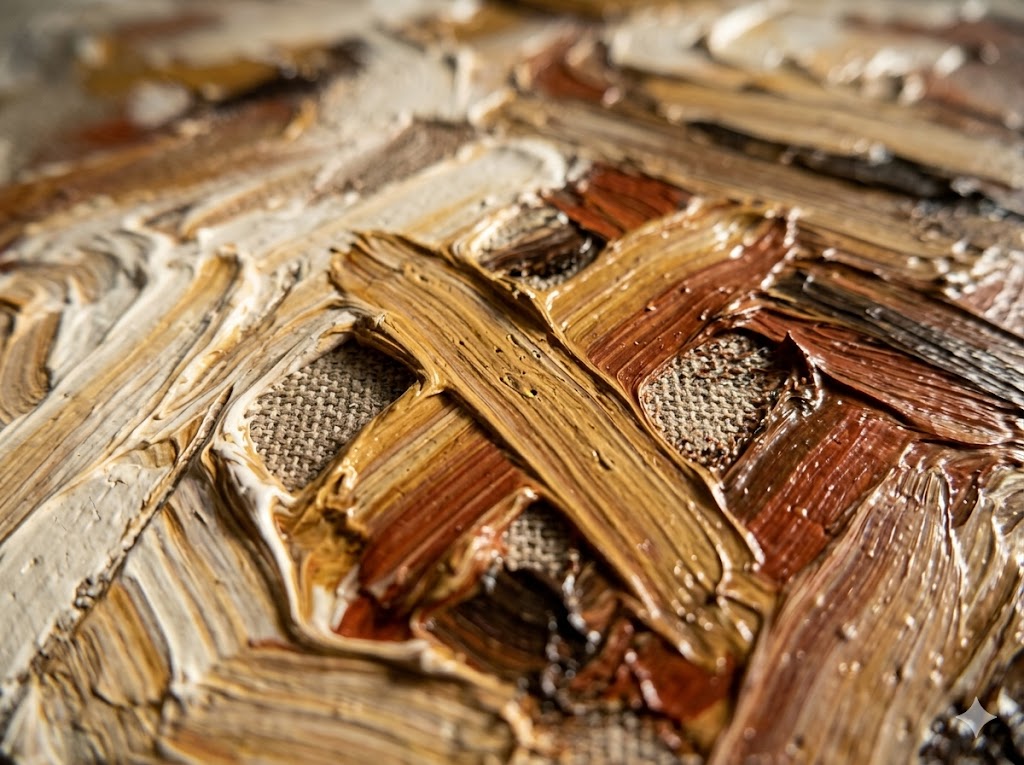
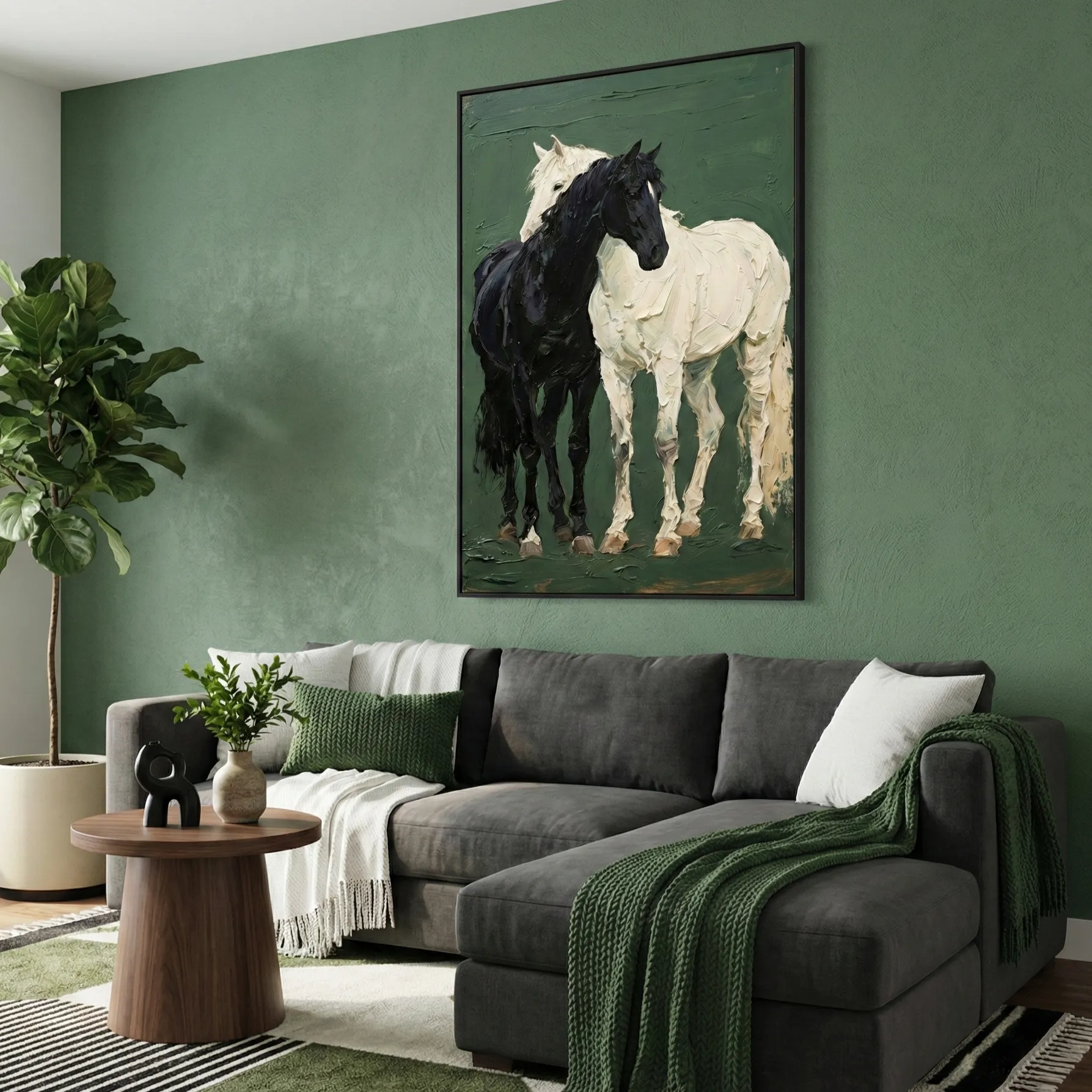
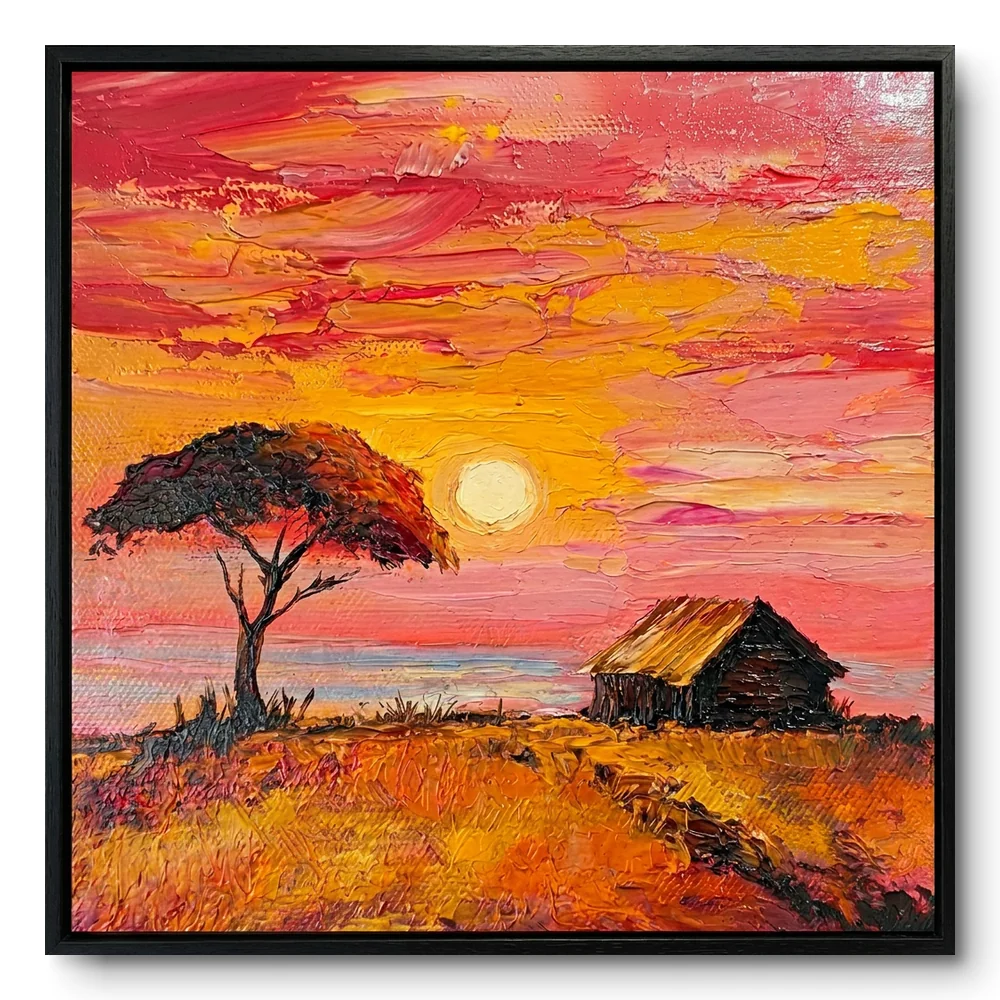
Beyond the Canvas: The Tactile Allure of Textured Art

-50%
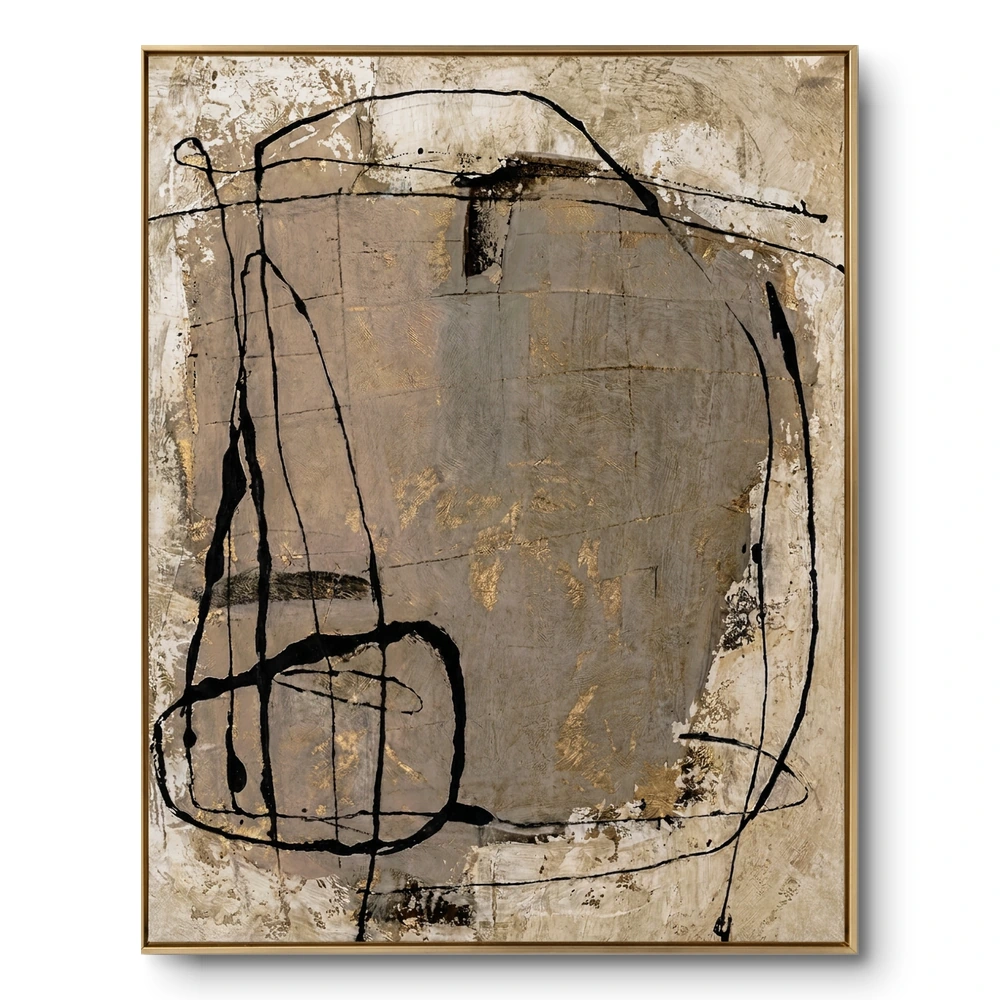
Original price was: A$455.00.A$227.50Current price is: A$227.50.
-50%
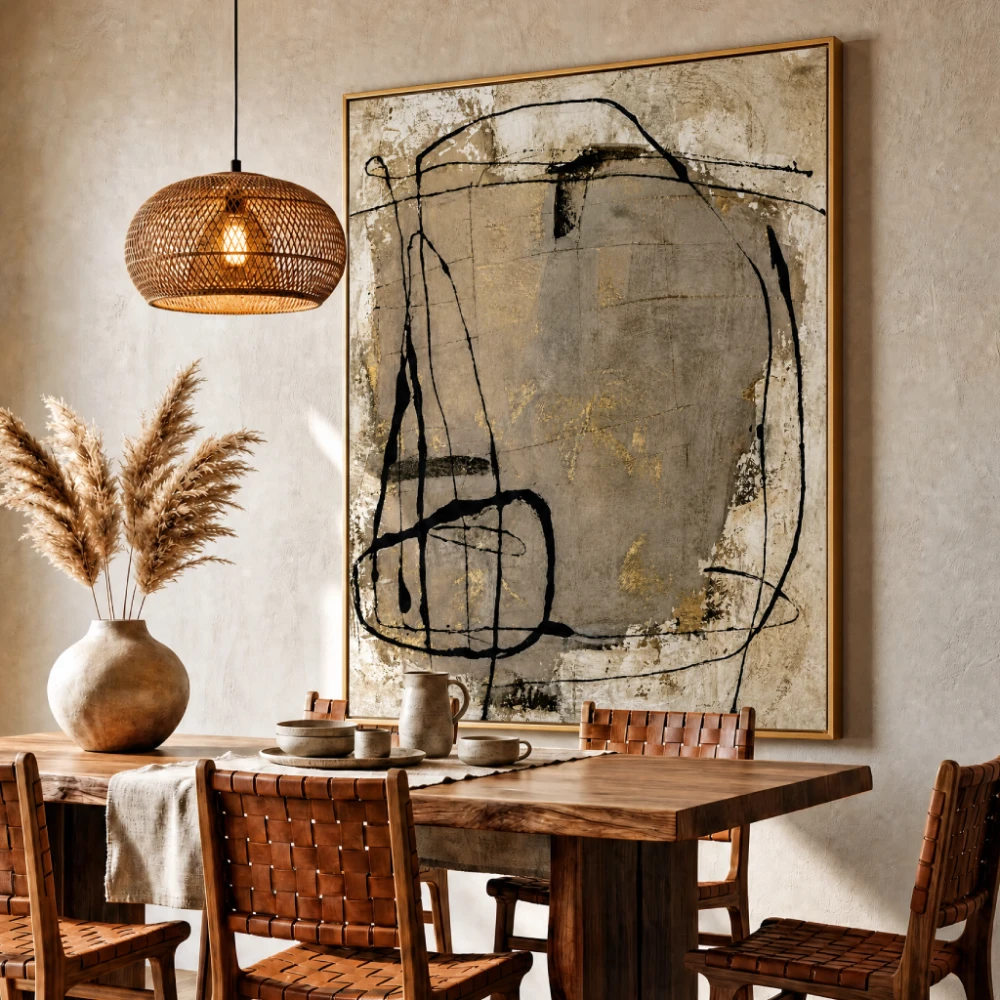
Original price was: A$380.00.A$190.00Current price is: A$190.00.
-50%
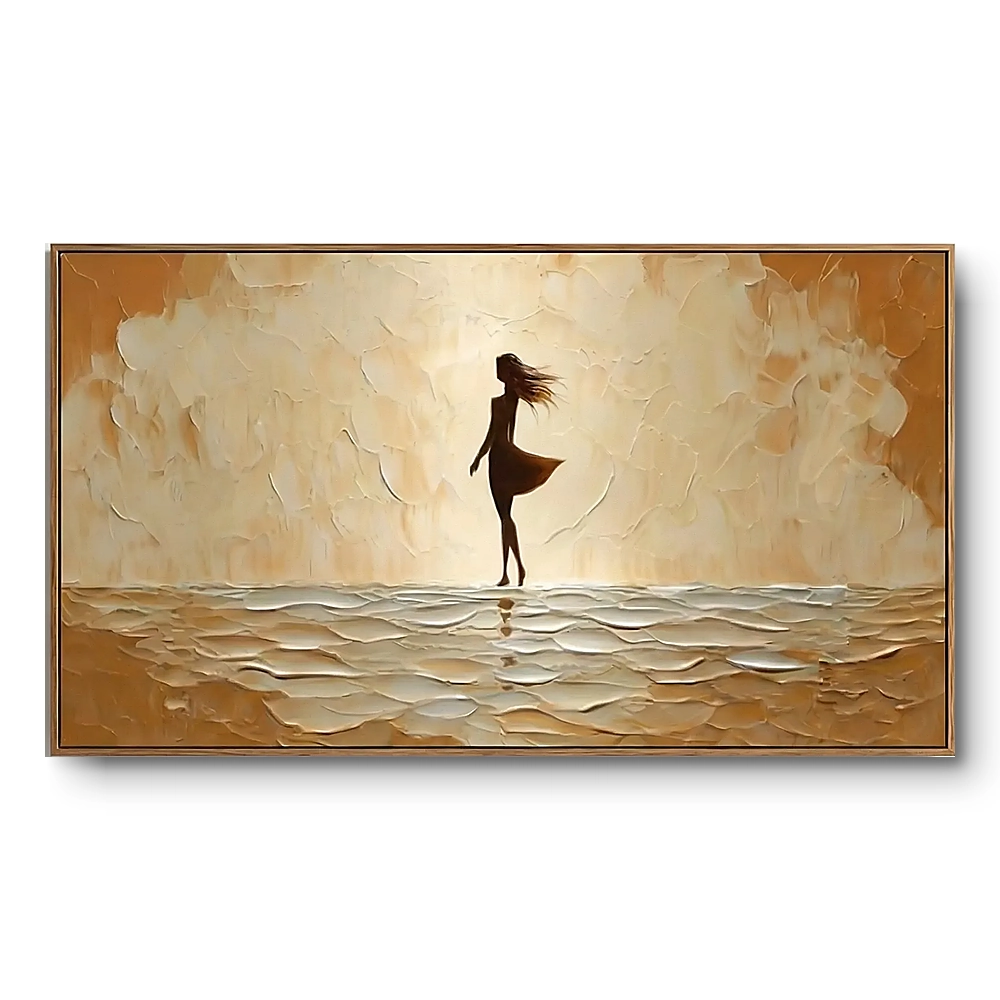
Original price was: A$790.50.A$395.25Current price is: A$395.25.
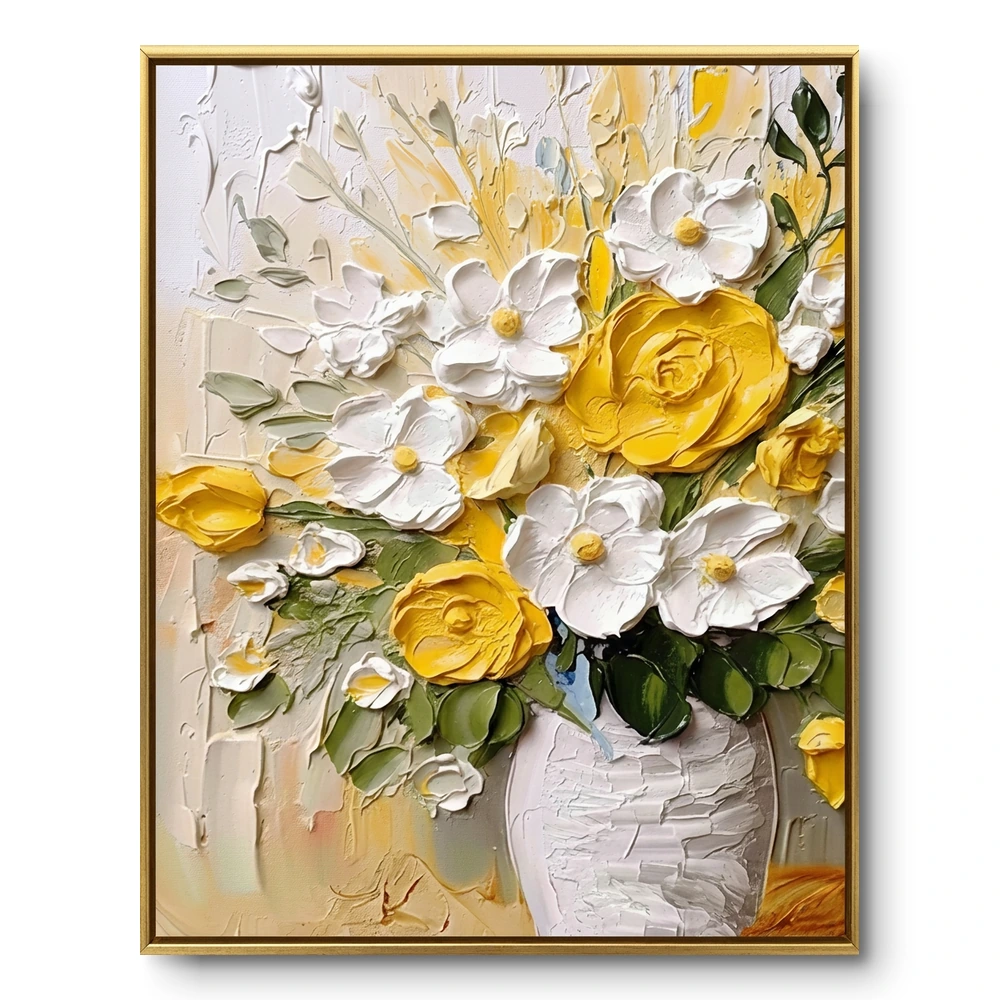
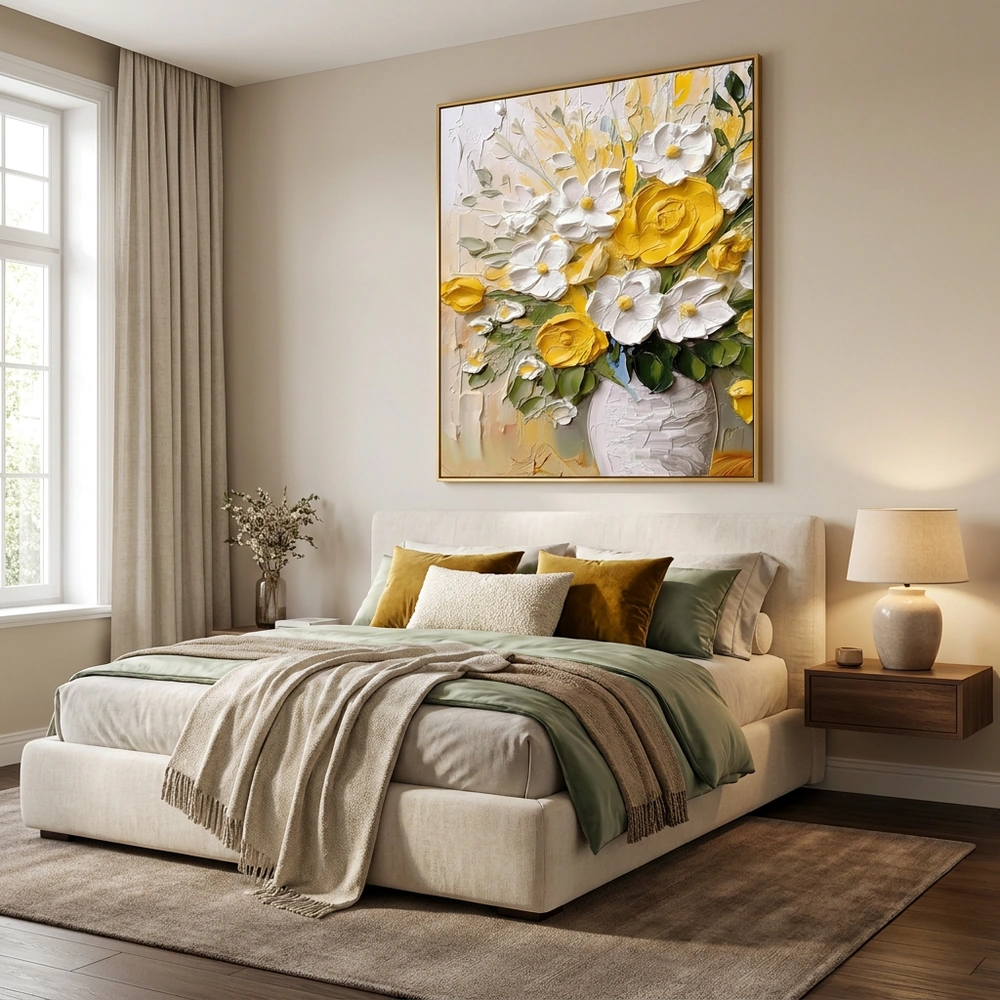
Amber Petals — Yellow Textured Flower Bouquet Painting Wall Art to Pinterest (opens in a new window)
-50%
Original price was: A$646.00.A$323.00Current price is: A$323.00.
-50%
Original price was: A$465.00.A$232.50Current price is: A$232.50.
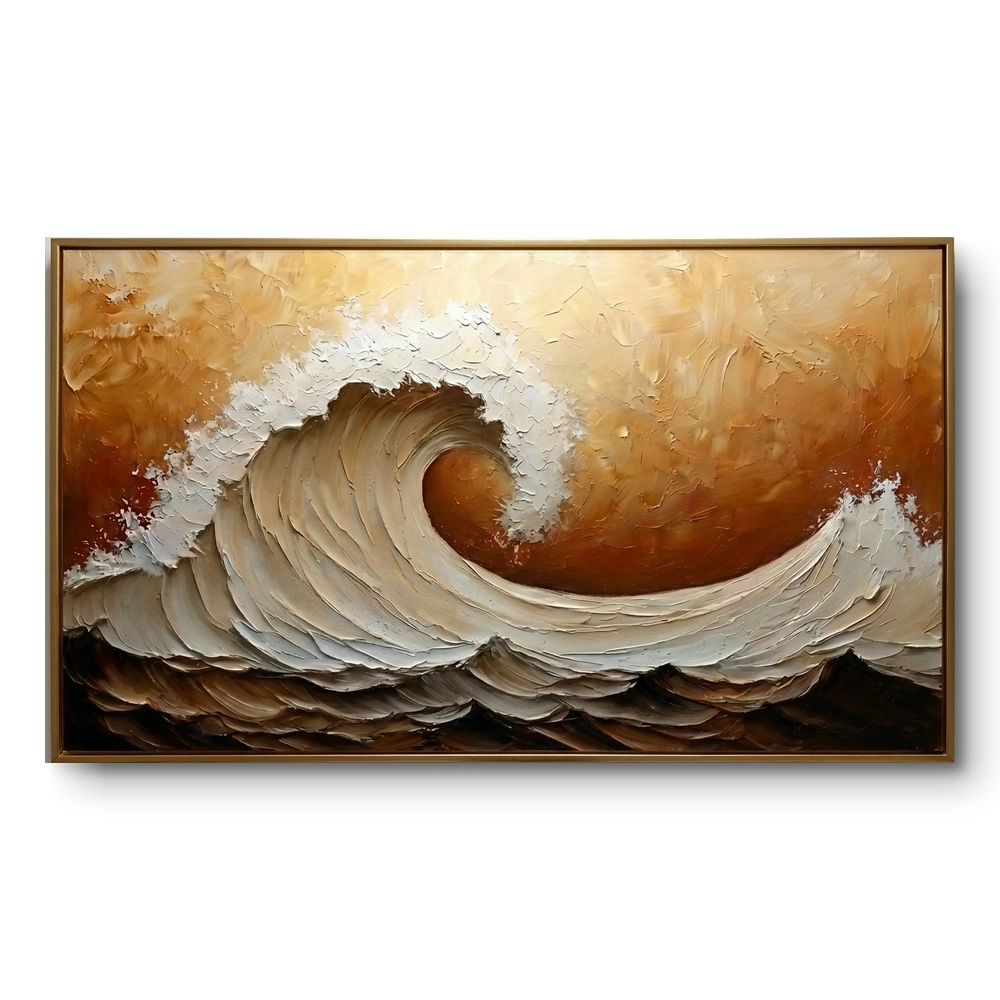
-50%
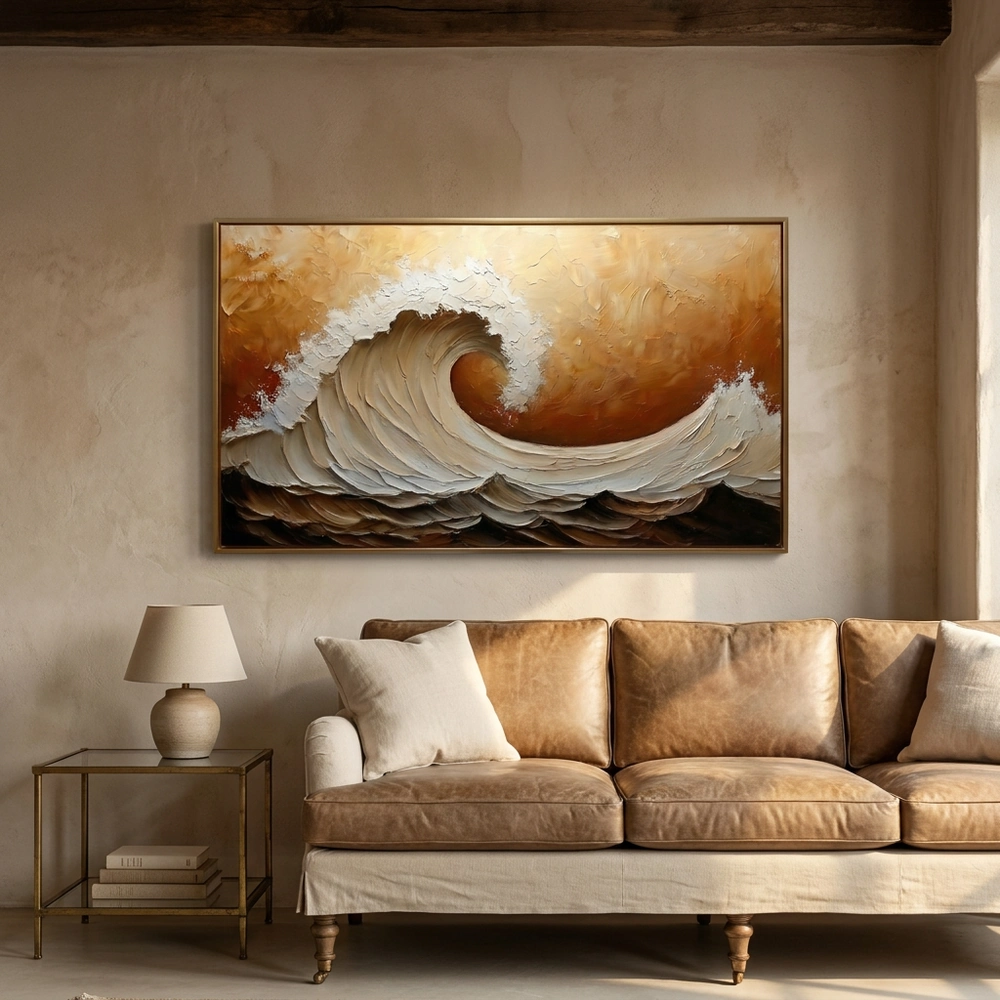
Original price was: A$790.50.A$395.25Current price is: A$395.25.
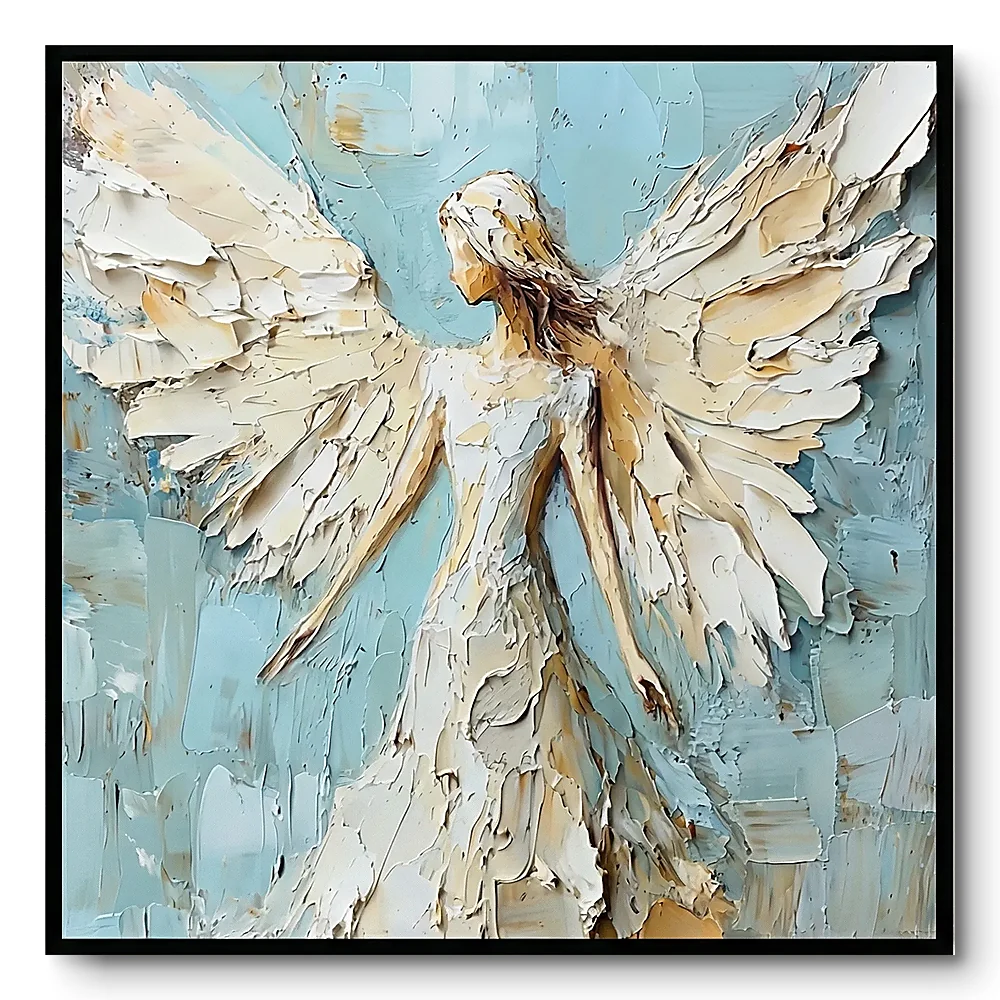
-50%
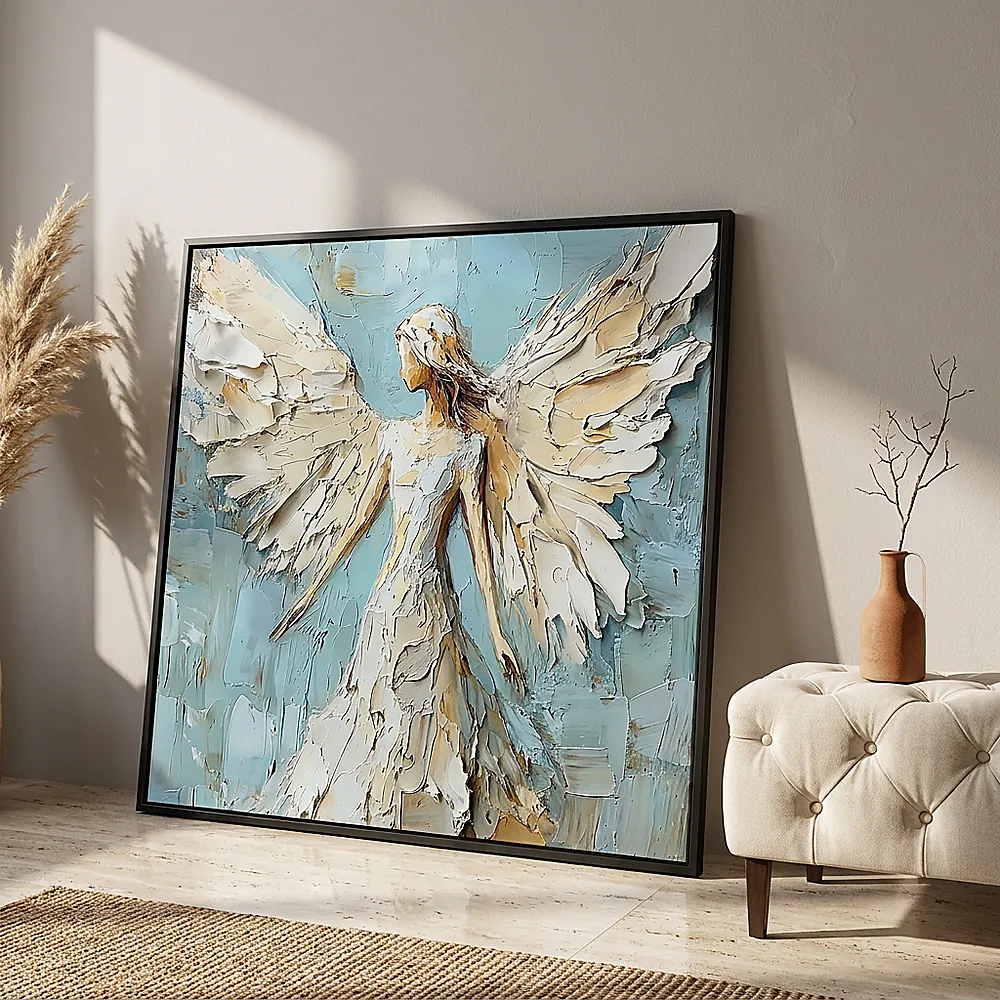
Original price was: A$455.00.A$227.50Current price is: A$227.50.
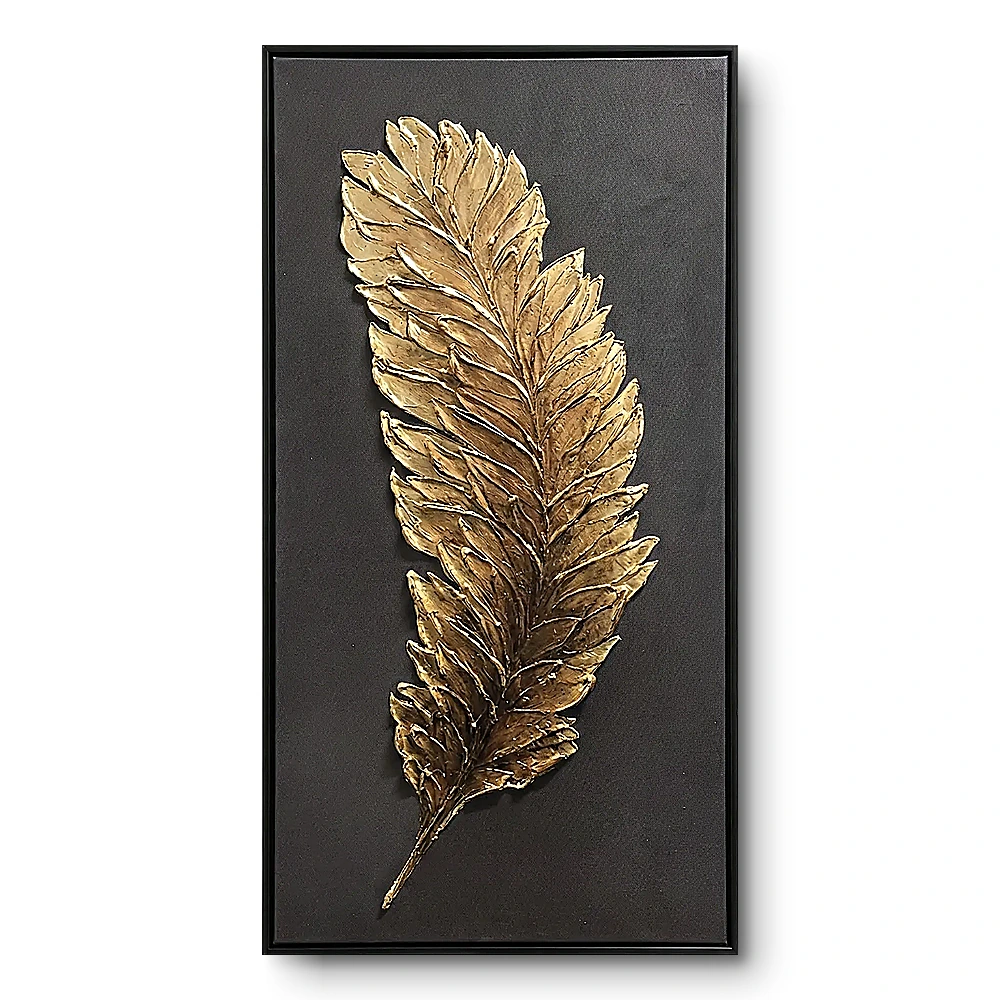
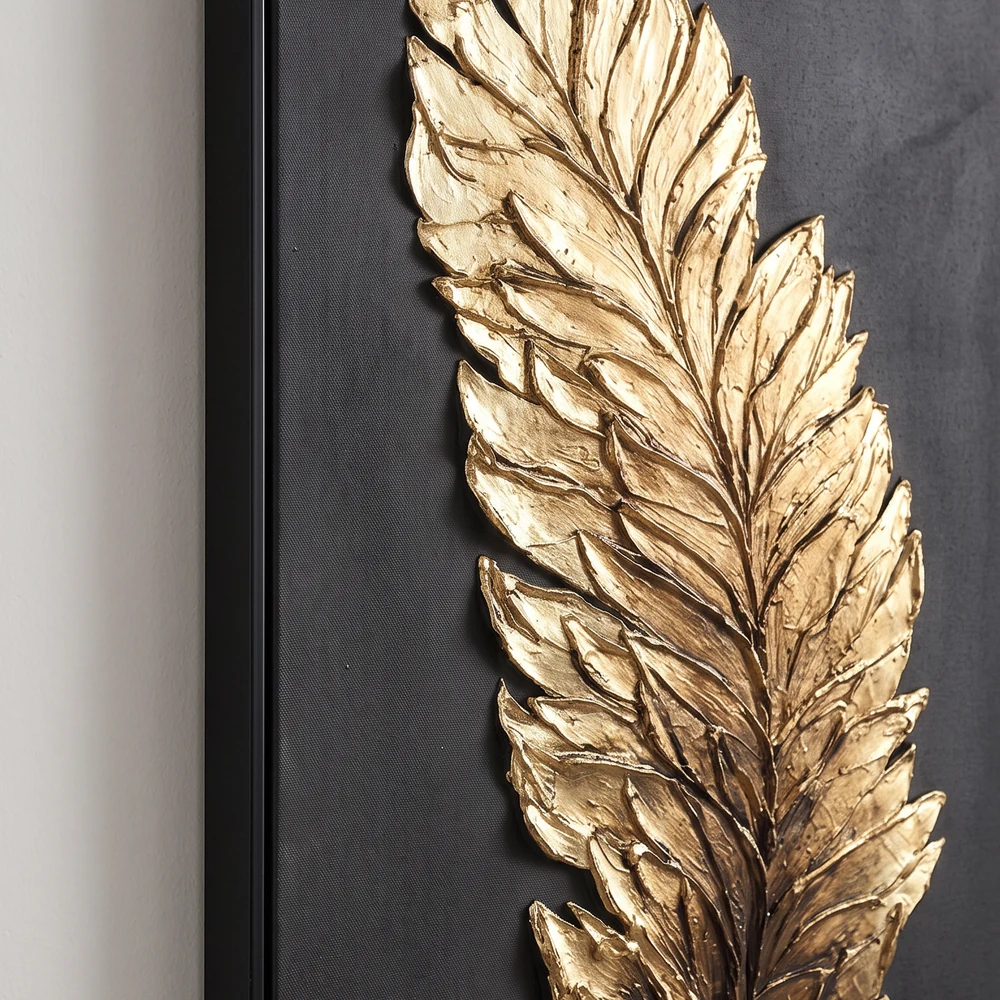
Aurelia Plume — Gold Textured Feather Relief Sculpture Wall Art to Pinterest (opens in a new window)
-50%
Original price was: A$646.00.A$323.00Current price is: A$323.00.
-50%
Original price was: A$380.00.A$190.00Current price is: A$190.00.
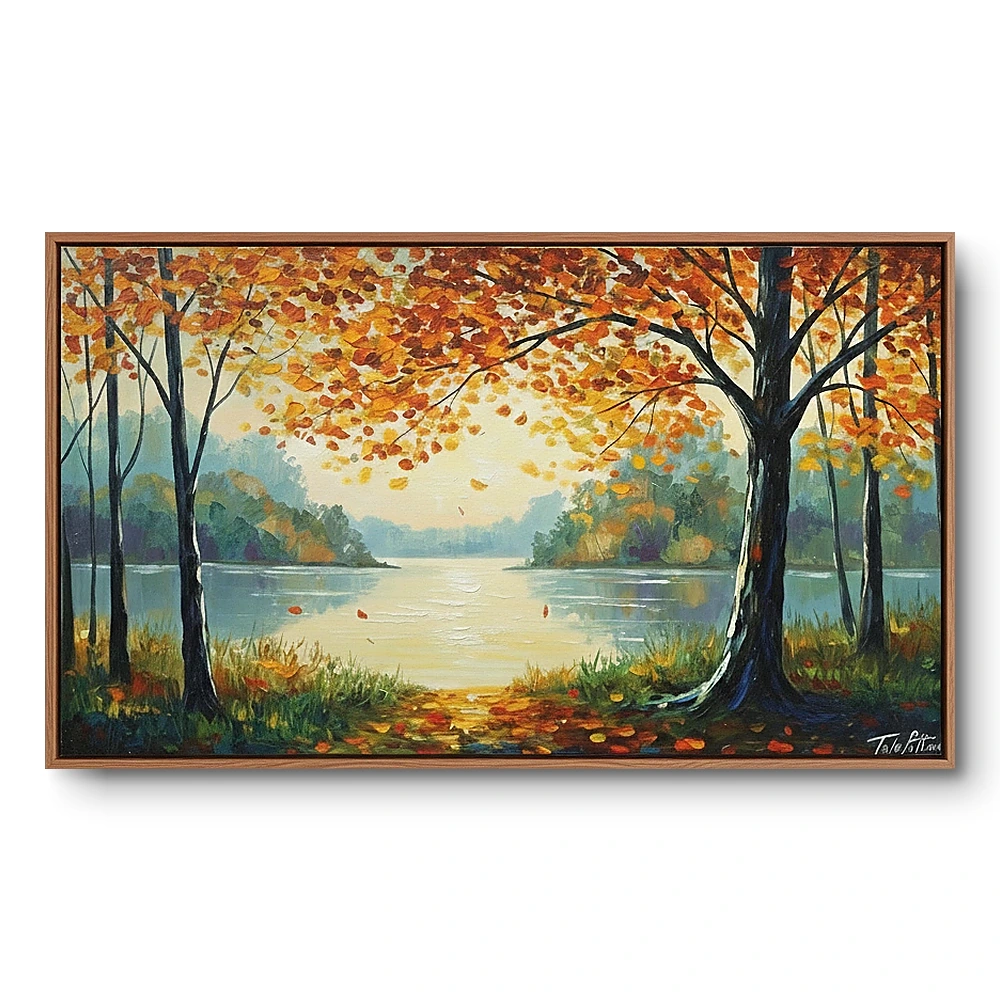
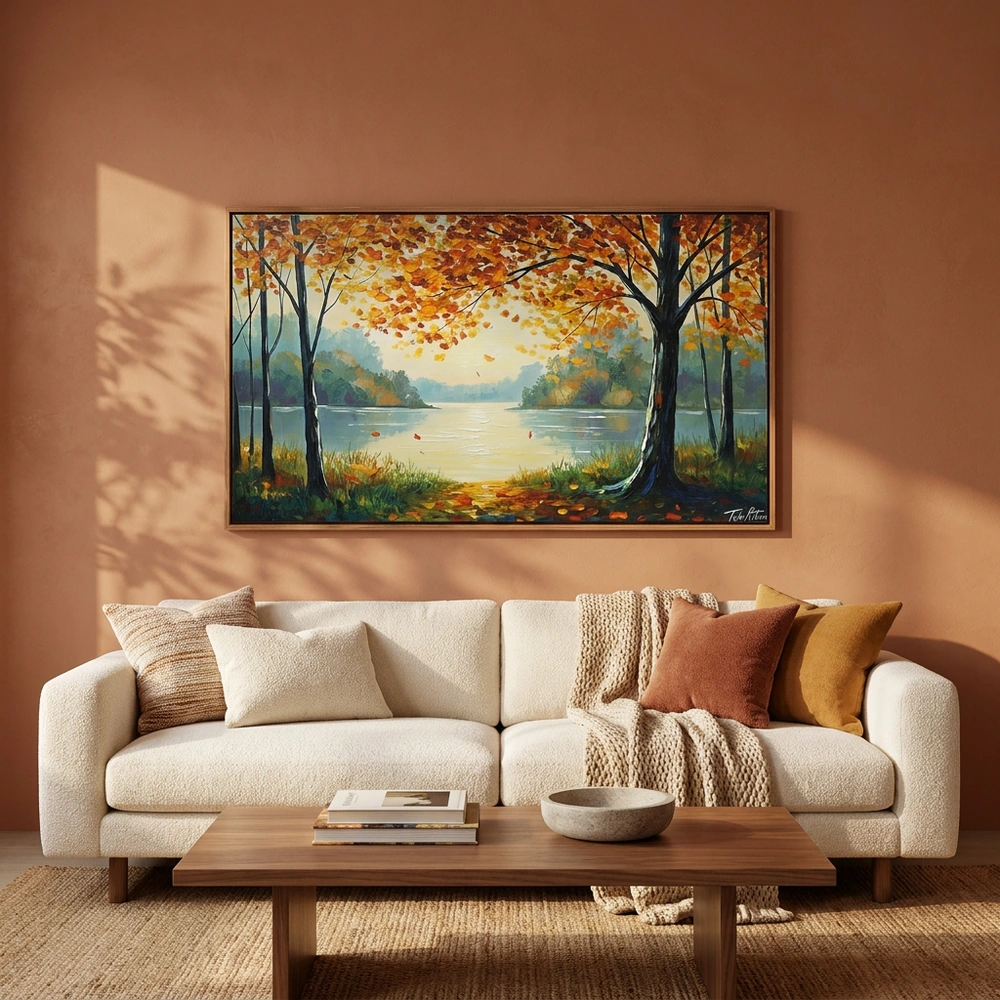
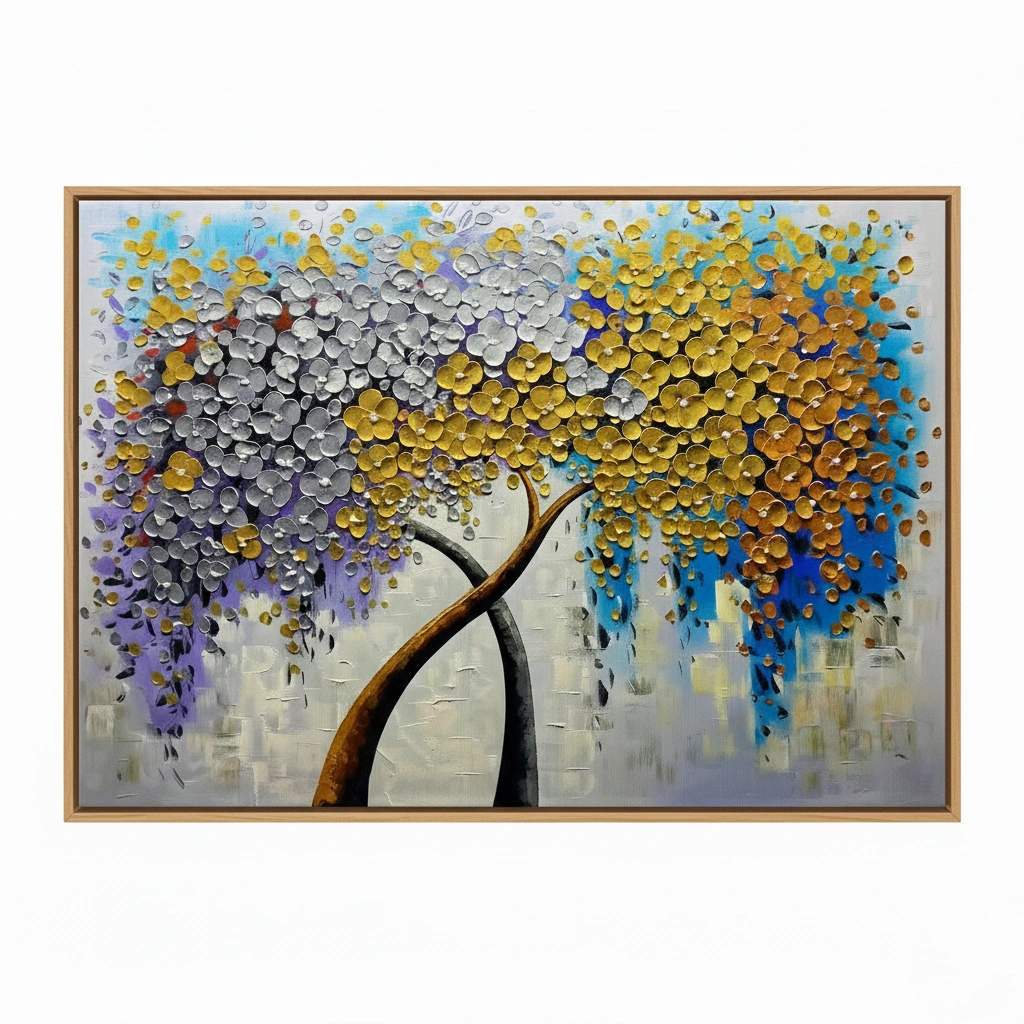
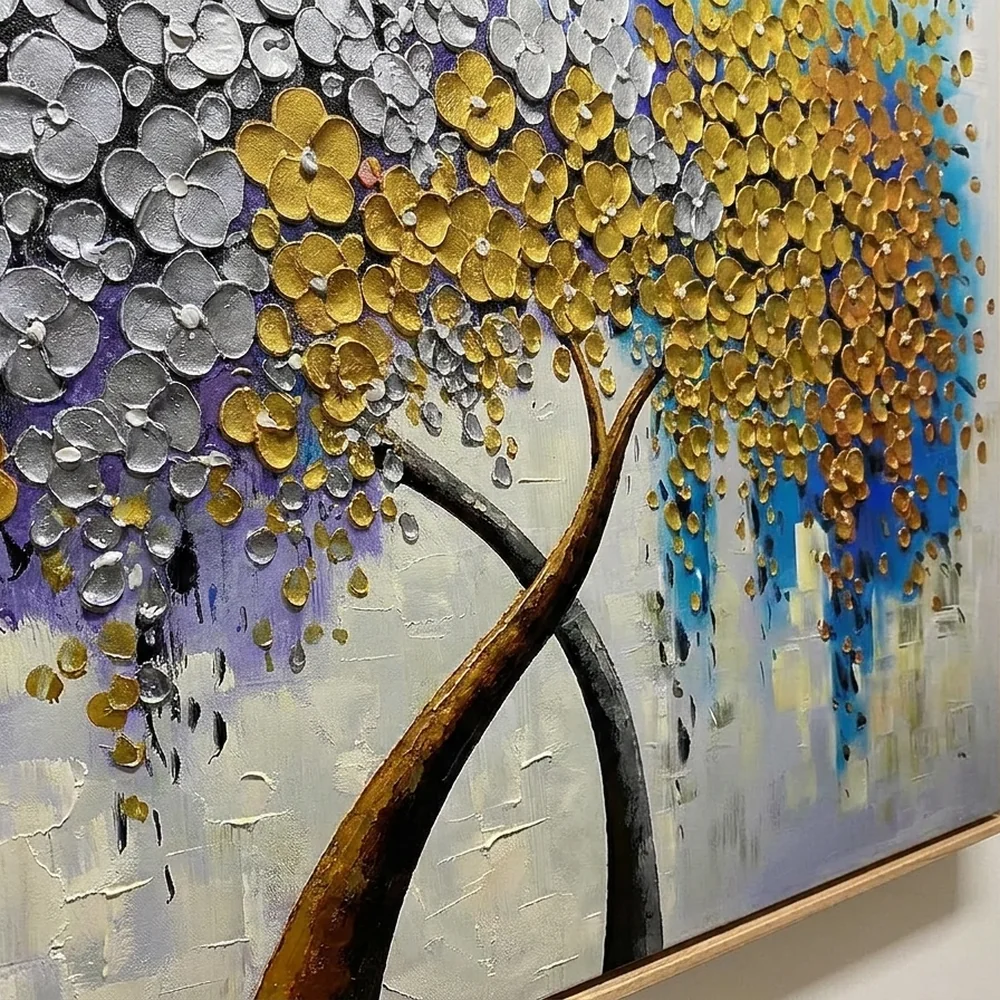
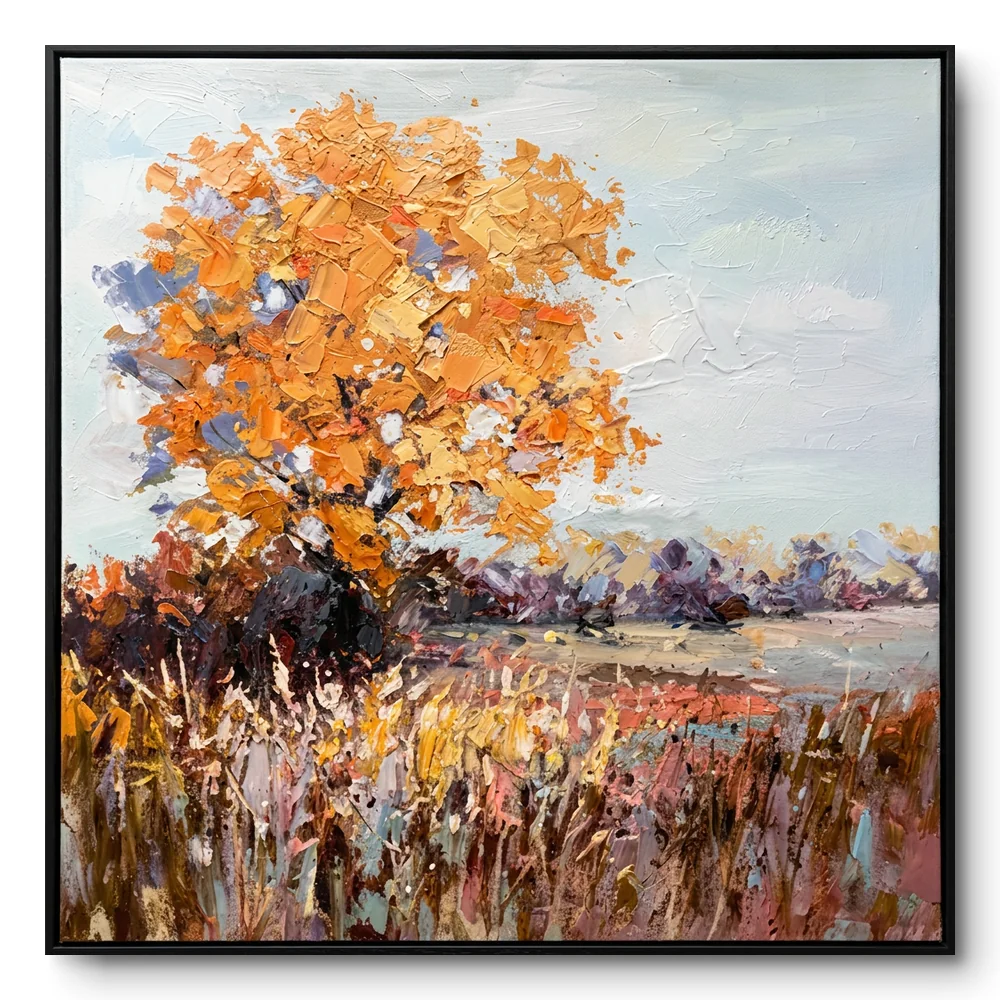
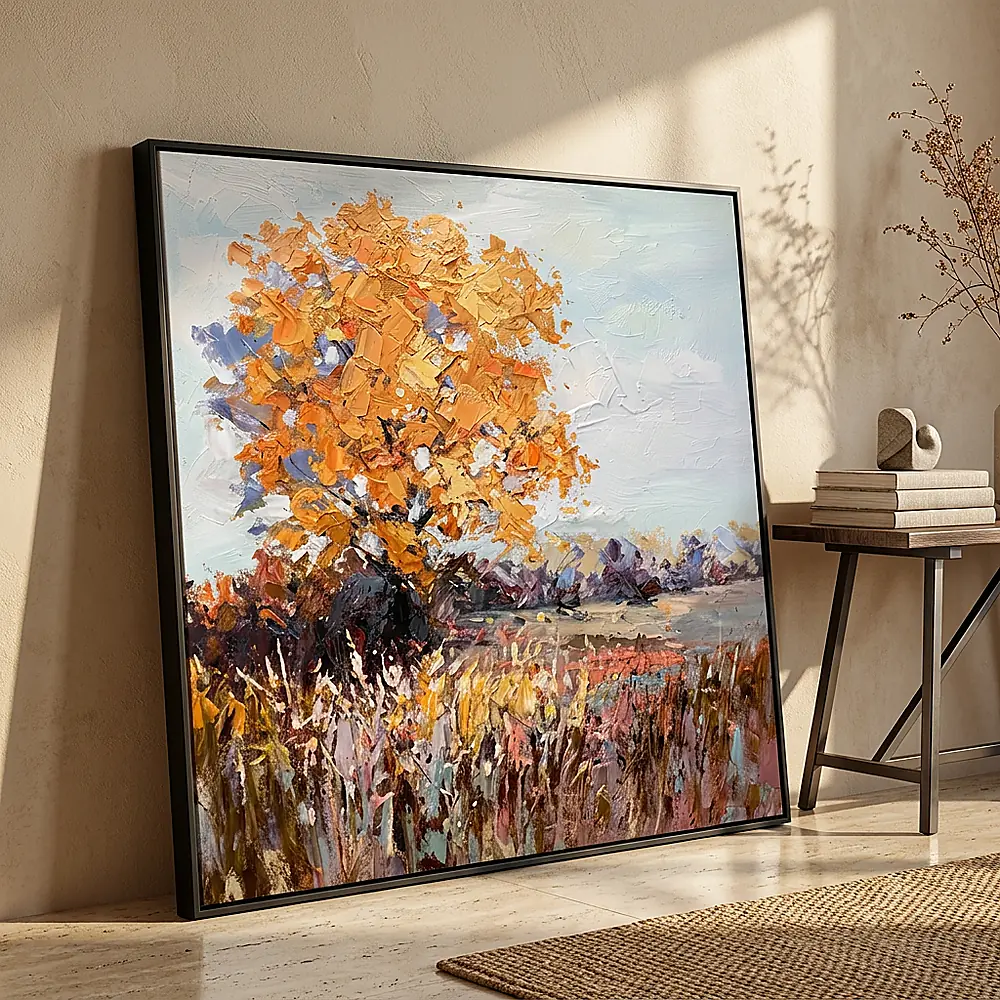
Autumn Harvest — Orange Textured Golden Tree Landscape Wall Art to Pinterest (opens in a new window)
-50%
Original price was: A$773.50.A$386.75Current price is: A$386.75.
-50%
Original price was: A$646.00.A$323.00Current price is: A$323.00.
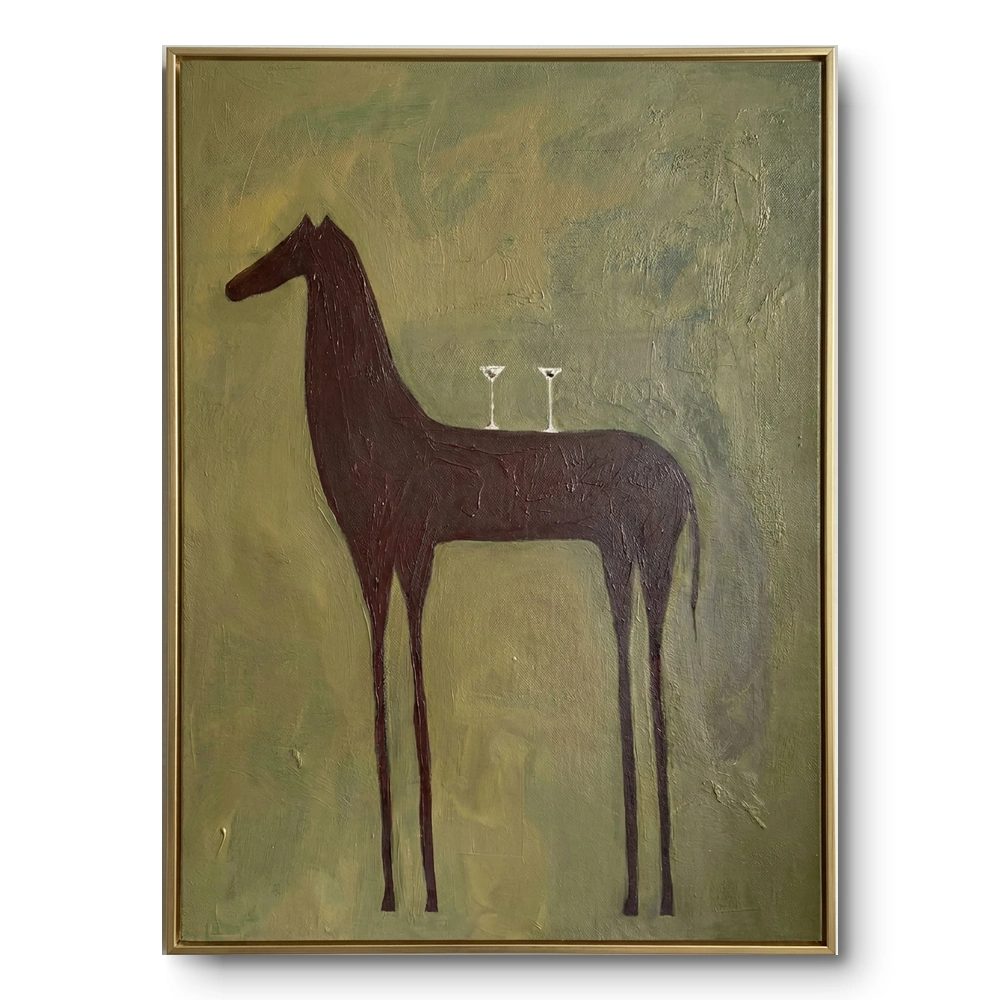
-50%
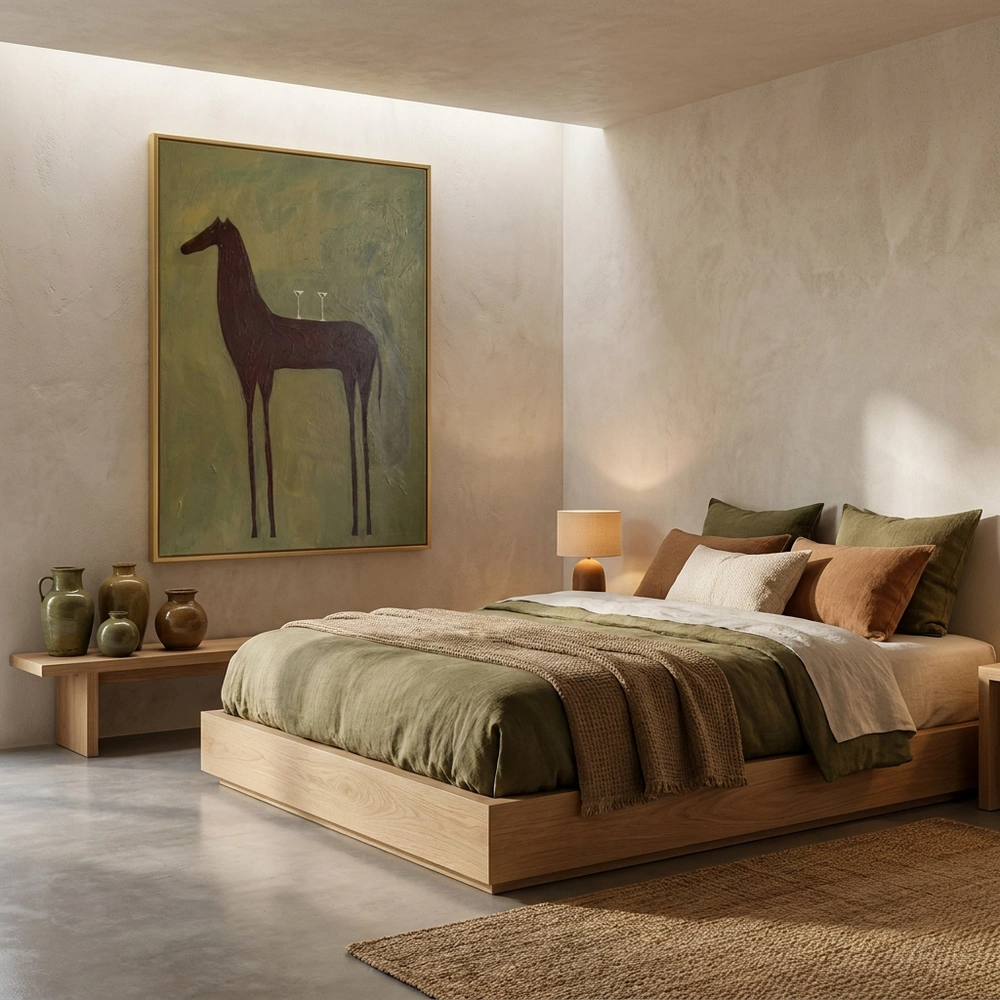
Original price was: A$380.00.A$190.00Current price is: A$190.00.


